September 4, 2024Updated: February 25, 2026
Summarize with AI:


Homeowners may appear skeptical when making home renovation decisions, especially when wondering if it’ll be financially worthwhile. However, home improvements like new deck construction have proven to be one of the best home renovation decisions you can make. A new deck can significantly improve your home’s value.
Decks are an essential element of the house, both aesthetically and practically. They offer so much charm and an ideal setting for a romantic meal or a sunset barbecue.
A deck is used to extend the living area, which offers owners the perfect space to unwind and spend quality time with their loved ones in a peaceful environment. Decks provide the ideal setting for gatherings and receiving guests since they provide a room that the house’s interior does not.
Since your house will catch the attention of most buyers, its value will be much higher whenever you wish to sell it. With a deck, there are many activities and things that you can do, which would be difficult to do inside the house because of space limitations. For this reason, most home buyers are often attracted to houses with decks.

Building a Deck will Increase The House’s Resale Value
The addition of a deck to your property can greatly boost its resale value. Most improvements and additions may help to improve the home’s value by up to 50% of its original worth. Still, decks can recoup 100% of their cost after the building is completed. The type of deck material used is a vital element determining the percentage return on investment of your deck construction. Depending on your needs and requirements, the two most popular decking materials used are wood and composite decks.
Wood Decks
With wood decks, you can get the highest return on investment based on pure house resale value. Since it is a less expensive material, it involves a less expensive deck installation while also increasing the market value of your property in a way similar to composite decks. However, the cons with wood decks are that they are less resistant to weather and temperature extremes than composite decks. As a result, if you are to maintain their quality and worth for resale, wood decks require frequent care and maintenance. Wood decks are highly unsuitable for homeowners in Illinois with extreme weather conditions. Even with proper maintenance and handling, it’s difficult for the wood to tolerate the snowy weather of our region.
Composite Decks
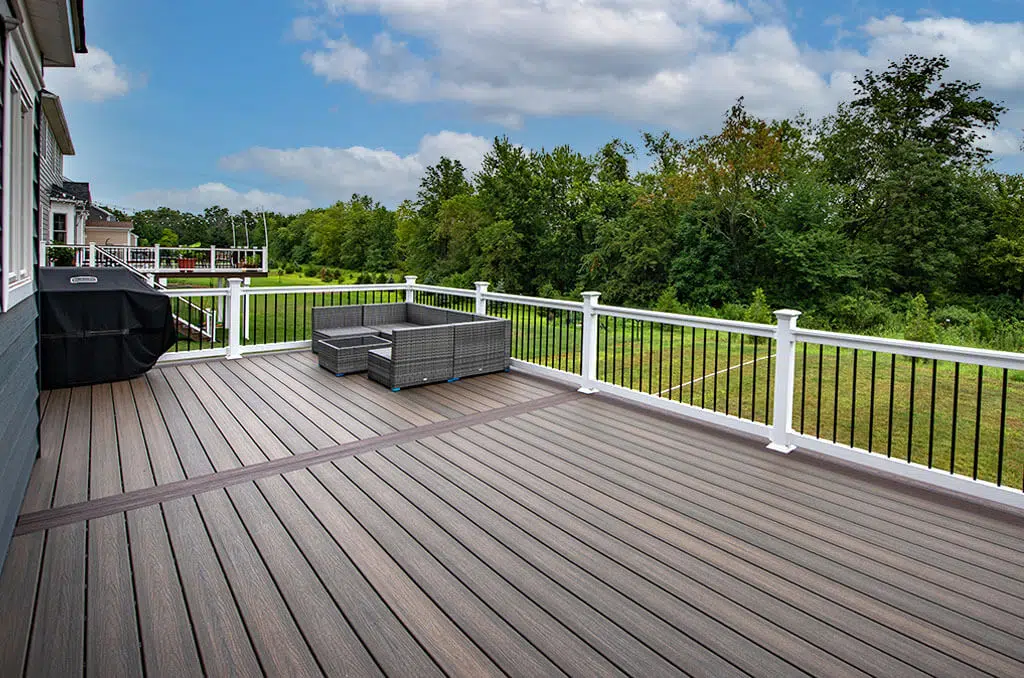
Composite decks are more costly than wood decks due to their superior quality. The price of the material’s durability, reliability, and timeless character are all expressed in the price. The composite material has seen a surge in demand in the deck industry; deck builders widely use it as their construction material. Harsh weather conditions, such as rain, wind, and severe temperatures, have little or no effect on composite decking. However, light cleaning is necessary regularly to ensure that the decking continues to appear new. Most homeowners opt for composite material for their deck because of this benefit, since it eliminates the hassle and commitment of frequent upkeep. Read more about composite deck maintenance. You can opt for the composite deck if you’re planning to stay in the home for a couple of years before putting it up for sale.
Tips for Maximizing the Return on Your Deck
If you desire to make a good return on your deck, it’s essential to consider some important factors. Below are some of those key factors:
Location
In regions where the weather is friendly for decks all year, buyers are ready to pay extra for a property with a deck. California, Arizona, Hawaii, Texas, and Georgia are just a few examples of places where a decked home can be greatly sought after. With its mild winters and long outdoor season, Georgia in particular offers homeowners strong deck ROI potential throughout most of the year. However, states with lengthy winter periods, including those situated in the Northeast region, may have less desirable decks since they can’t be used throughout the year.
Motive
It’s essential to consider the motive behind adding a deck to your house. If you decide to build a new deck and make a few other renovations before selling your home right away, then a smaller or less expensive deck would be the best option. However, if you plan on spending a couple more years in the house, you can construct the deck that suits you since there is enough time to enjoy your new deck without being concerned about losing money.
Material
As stated previously, the return on investment gained with wood decks is higher than that of composite decks. Therefore, if you’re keen on making some profits from your deck construction, it’s advisable to go for the wood decks. Also, if you are looking to make renovations on a limited budget before selling your house, then wood decks might be your best option. This does not imply that you must construct a deck out of wood to make a good return. Depending on your budget and needs, you can also go for composite decks, which offer a much superior quality. However, suppose you plan on staying in your house for at least a few years. In that case, you’ll need to determine whether you’d rather put in the effort to maintain a wood deck or go for the composite deck, which eliminates the need for routine maintenance.
How to Maximize Your Deck’s Value Before Selling
If you already have a deck and are preparing to put your home on the market, the condition of that deck will directly influence buyer perception and your final sale price. A deck that looks worn, faded, or structurally questionable can offset the value it would otherwise add to your home.
Start with a professional inspection to assess the condition of both the surface boards and the substructure. If the frame is solid, a resurfacing with new composite boards is often all it takes to make the deck look brand new and move-in ready. Buyers respond strongly to outdoor spaces that require no immediate work.
Small details also matter. Replacing damaged railings, adding a fresh coat of sealant on wood surfaces, and clearing debris from around the base of the deck can significantly improve curb appeal without a major investment. At Royal Deck, we help homeowners across Illinois and Georgia evaluate their deck’s condition and make targeted improvements that deliver the best return before listing.
Final Thought
Adding a new deck to your home may be a smart investment if done correctly. Homeowners who plan to sell off their house after renovations would find the wood decks as the perfect option. First and foremost, finding a professional deck builder should be your priority, as a substandard deck builder may completely derail your project. Also, keep in mind that the location and material used to build your deck can affect its quality and the general value of your house. Overall, constructing a deck may readily recoup its construction costs while also potentially yielding a substantial return.
Finally, if you’re searching online for a “professional deck builder near me” in Illinois and Georgia, look no further. At Royal Deck, you can get your custom deck constructed by professional deck builders using high-quality materials.
Frequently Asked Questions
 Does a larger deck always mean a higher return on investment?
Not necessarily. A deck that is disproportionately large for the yard or the home can actually work against you at resale. Buyers tend to value outdoor space that feels functional and balanced, not a deck that overwhelms the backyard or leaves no room for landscaping. A well-designed deck in the 200 to 400 square foot range tends to offer the most consistent return across different markets.
Does an old or damaged deck hurt the resale value of my home?Yes, it can. A deck that appears weathered, structurally unsound, or unsafe is often viewed as a liability by buyers rather than an asset. In some cases, an outdated deck in poor condition can lower the perceived value of the home even further than having no deck at all. If you are preparing to sell, having the deck inspected and resurfaced or replaced before listing is a worthwhile investment.
Do I need a permit to build a deck, and does it affect my home's value?In most cases, yes, a permit is required, particularly for decks built more than 30 inches above grade or attached to the home. Building without a permit can create complications during the sale process, as future buyers may need documentation to secure financing. Working with a professional contractor like Royal Deck ensures that all necessary permits are obtained and properly documented from the start.
Does a deck add more value than a patio?Generally, yes. Decks tend to offer a stronger return on investment than patios in most markets because they extend usable living space in a more defined and structured way. Patios are typically considered part of the landscaping, while a deck is viewed as an addition to the home's living area, which carries more weight in appraisals and buyer perception. The gap in value tends to be more pronounced in regions with longer outdoor seasons.

As a leading deck builder in Illinois and Georgia, Royal Deck specializes in creating stunning new decks, resurfacing existing ones, and designing porches that beautifully enhance homes.