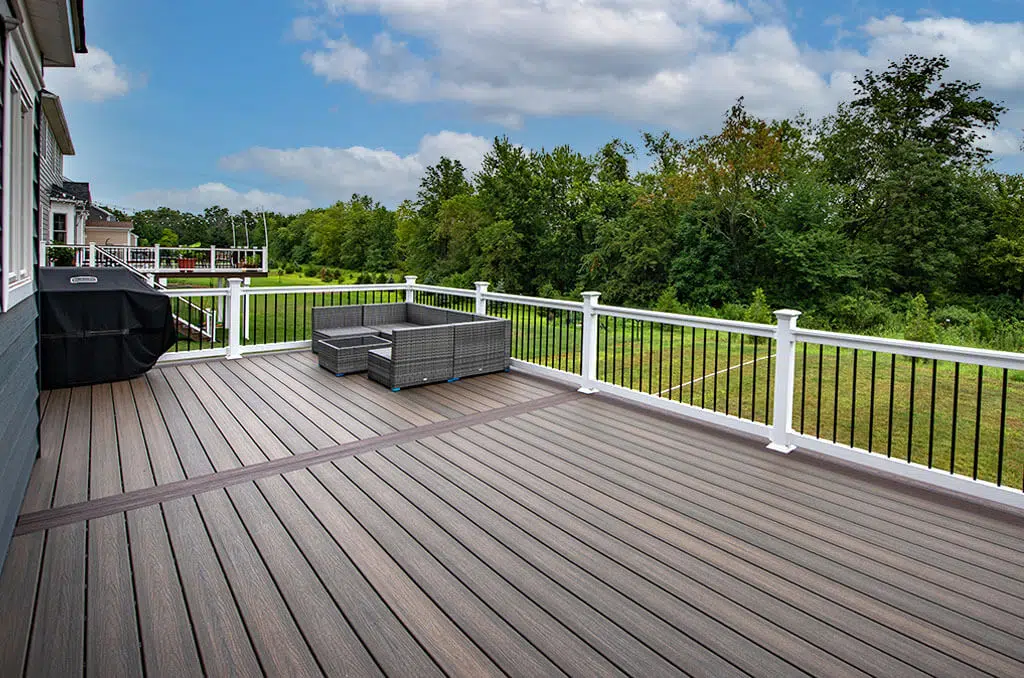
September 4, 2024Updated: March 26, 2026
Summarize with AI:


Deciding on the right time to start your new composite deck project is an important conversation, and it often involves more than just looking at the weather. Finding that perfect window helps you manage your budget, ensures you get the best craftsmanship, and gets you out enjoying your new outdoor space as soon as possible.
At Royal Deck, we see timing as a great way to make your investment go further. We want to help you avoid long wait times and make the process as smooth as possible. This guide is designed to help you look at each season with clarity so you can feel confident about your project.
 Why the Season You Choose Affects More Than Just the Weather
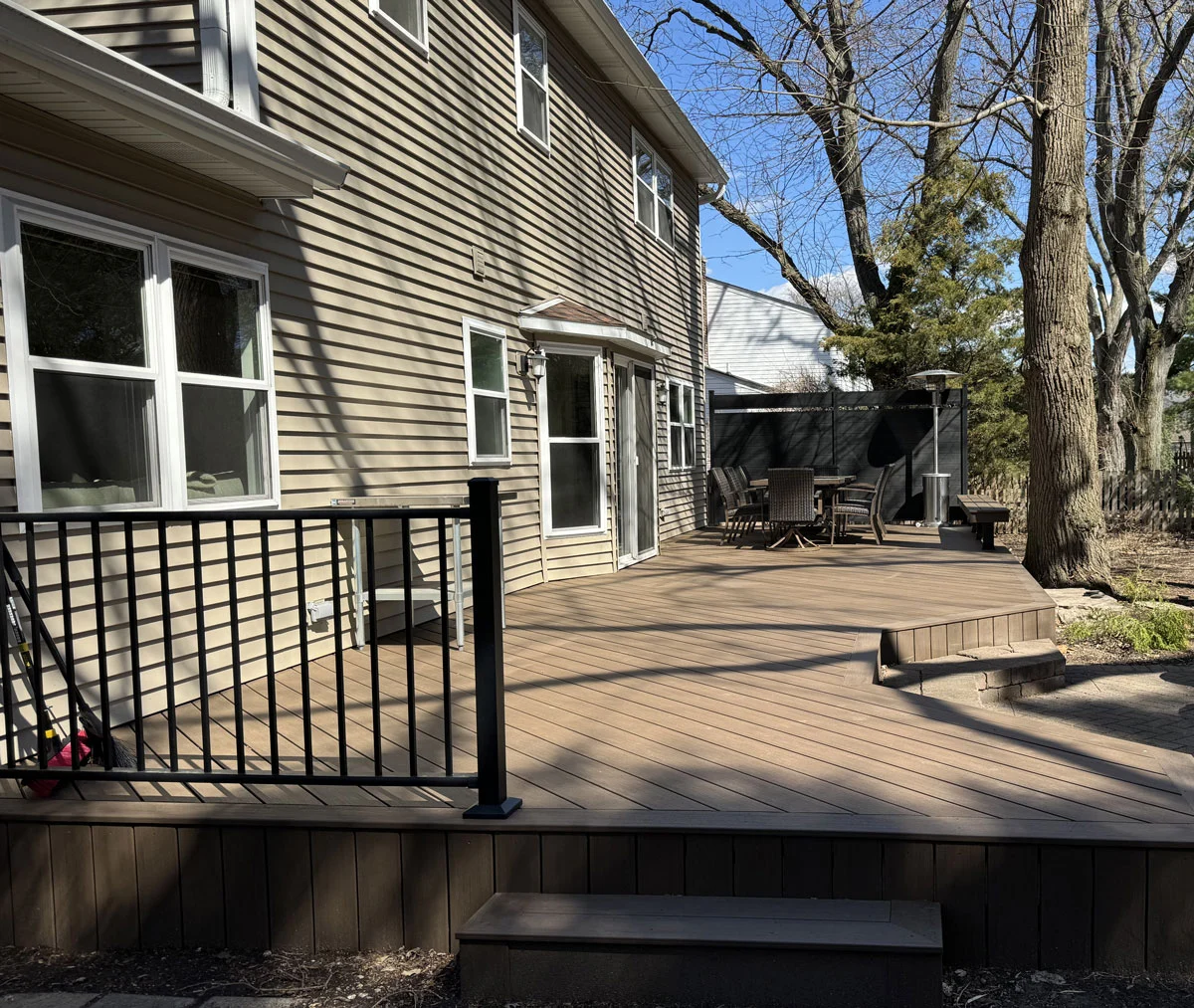 Why the Season You Choose Affects More Than Just the Weather
It is a common misconception that deck building has to happen in the heat of summer, but there is actually a lot of flexibility throughout the year. A few things change depending on when we get started:
- Labor costs: contractor rates rise exponentially during peak season with high demand.
- Permit processing times: Local offices are usually busiest in the spring and summer. This means a wait can jump from two weeks in the off-season to nearly two months during the peak.
- Installation quality: cooler, drier air is excellent for precise framing, fastener placement, and composite board installation.
During the peak months from April through August, we often see schedules fill up months in advance. We want to make sure you have all the right information to help you plan ahead, ensuring your new composite deck is a project you are proud of and a great investment for your home.
A Season-by-Season Breakdown for Deck Construction
Finding the best time of year to build is all about matching your goals with the advantages of the season. This table gives you a quick look at how things typically shake out before we dive into the details.
| Season | Contractor Availability | Material Prices | Permit Wait Time | Weather Risk |
|---|---|---|---|---|
| Spring | Low | High | Long (6–8 weeks) | Rain, saturated soil |
| Summer | Very Low | Very High | Long (6–8 weeks) | Heat, humidity, storms |
| Fall | High | Moderate to Low | Short (2–3 weeks) | Minimal |
| Winter (Illinois) | High | Low | Very Short (1–2 weeks) | Ground freeze risk |
| Winter (Georgia) | High | Low | Very Short (1–2 weeks) | Near-ideal conditions |
Spring
Spring is usually when the sun comes out, and everyone starts dreaming about backyard barbecues. Because so many homeowners are inspired at once, spring is actually a very busy time for the industry.
In Illinois, the ground can be a bit unpredictable as it thaws, and spring rain can sometimes slow down the start of a project. Since waitlists grow quickly in March, booking a quality composite deck builder in spring often results in a June or July start. Spring would be an ideal time for your design and planning phase so you are ahead of the curve.
Summer
Summer days are long and great, which are the perfect conditions for making steady progress on a deck build. However, because demand is at its highest, labor rates can reflect that from June through August. For homeowners who have a bit of flexibility with their schedule, letting Royal Deck choose your start date makes you eligible for a discount.
Fall: The Strategic Sweet Spot
Fall is the most advantageous season for composite deck construction. By September, schedules begin to open up, and permit offices usually get through paperwork much faster.
In Illinois, the window from September through October is perfect before the ground starts freezing. In Georgia, we can often build comfortably right through December. The cool, dry air is the ideal weather for setting composite boards. A fall build also means your deck is ready for you the very first day of spring.
Winter
We often get asked if it is possible to build a deck in the winter. It is certainly possible, and composite materials are a big reason why.
In Illinois, we mostly use helical piles, which are an excellent solution for building even as the weather turns cold. When using concrete, we ensure that the foundation is set before the ground freezes in mid-November. Once the foundation is in place, the framing and composite installation quickly move along.
In Georgia, winter is a fantastic time to build because the weather is so mild. We use concrete footings there, and the conditions are typically near-ideal for our crews. It is a very smart time to get started on your project.
 The Real Financial Advantages of Off-Season Building
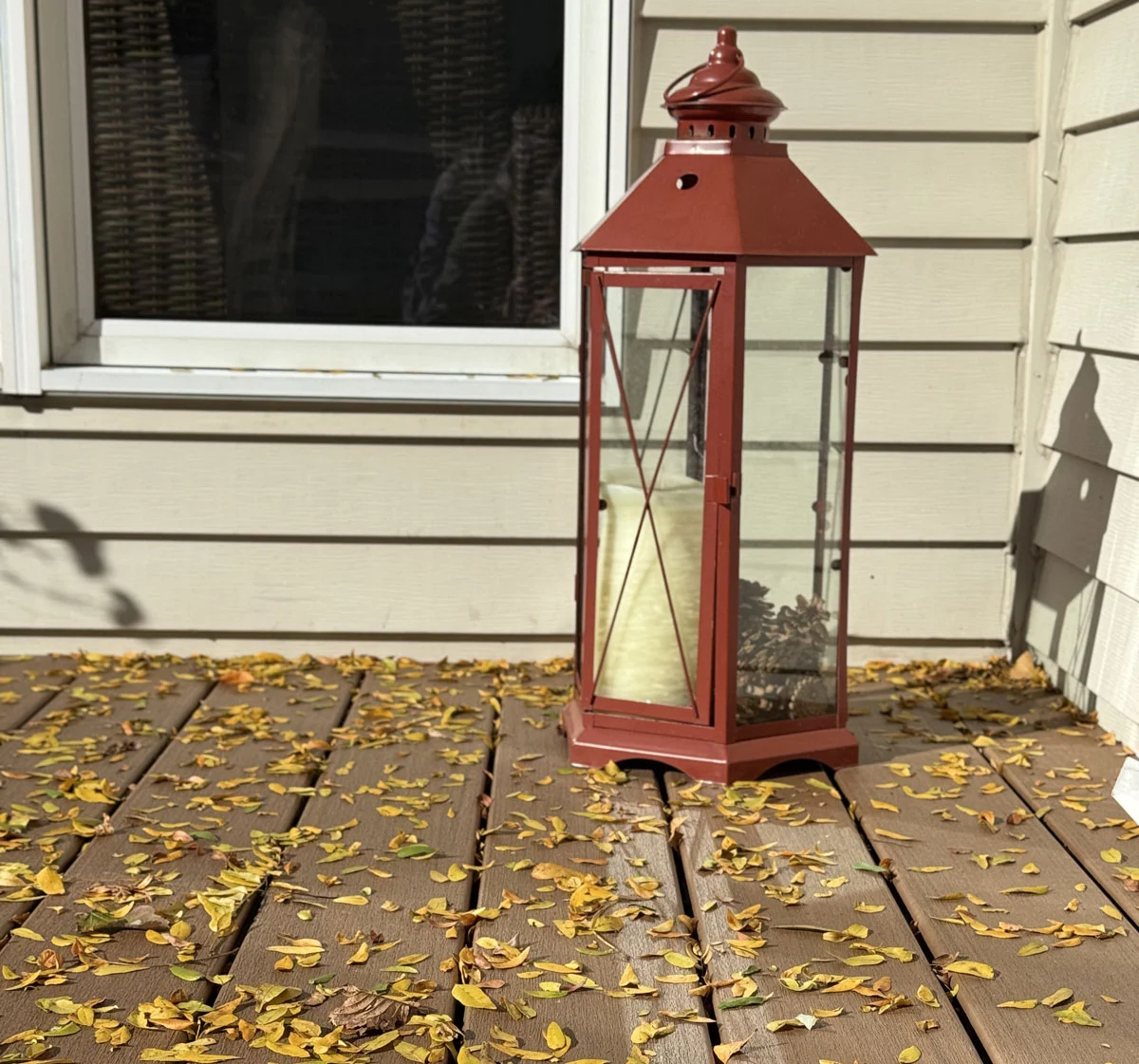 The Real Financial Advantages of Off-Season Building
The most affordable time to build a deck is consistently fall or winter. When you look at how the industry moves, the savings on labor and time really start to add up.
At Royal Deck, our composite projects start at $12,000. Choosing the right season is a big part of protecting that investment. Here is why the off-season works so well:
- Labor pricing: Winter builds feature lower cost labor. Also, letting Royal Deck choose your start date makes you eligible for a discount. What this means is that instead of going into the standard queue, you would be inserted when it is most convenient for us. Once you are inserted into the queue, the process resumes as usual.
- Faster permitting: Quicker turnaround on permit approvals. One to three weeks versus six to eight weeks in spring accelerate your entire project timeline.
- Easier scheduling: Site preparation and contractor coordination happen more smoothly when crews are not managing multiple simultaneous peak-season projects.
We always suggest thinking about things like utility marking, soil assessment, and landscaping restoration as you plan your budget. Every town has different permit fees, and we are always happy to provide all the paperwork you need for your HOA.
Why Composite Decking Makes Year-Round Installation Possible
Traditional wood decking requires staining or sealing after installation, and most liquid treatments require temperatures to stay between 50°F and 90°F, which can really limit your building window to only the warmest months. Composite decking operates under entirely different rules, which is a core reason Royal Deck specializes exclusively in installing composite for all projects.
Products from Trex, TimberTech, and Deckorators are engineered to be installed in a wide range of temperatures without needing any post-installation treatments. They will not absorb moisture, swell, crack, or warp when exposed to cold or damp conditions, the way pressure-treated lumber does. When we install in colder weather, our primary adjustment is the spacing between the composite boards: they need slightly wider expansion gaps at lower temperatures and a brief time to acclimate at your home before they are placed. Our Royal Deck installers handle these details on every project as part of our standard process.
This makes composite decking uniquely compatible with fall and winter construction timelines. These decks are built with quality materials that are designed to handle the Georgia climate, including the high humidity and summer heat, without needing constant upkeep, a key benefit of exploring your low-maintenance deck options. This same durability applies to Illinois winters. Even with extreme temperature swings, composite materials keep their structural integrity and look beautiful year after year. With a lifespan of 25 to 50 years and manufacturer warranties to match, the quality of your composite deck is not affected by the season.
 Features That Make Your Composite Deck Usable Year-Round
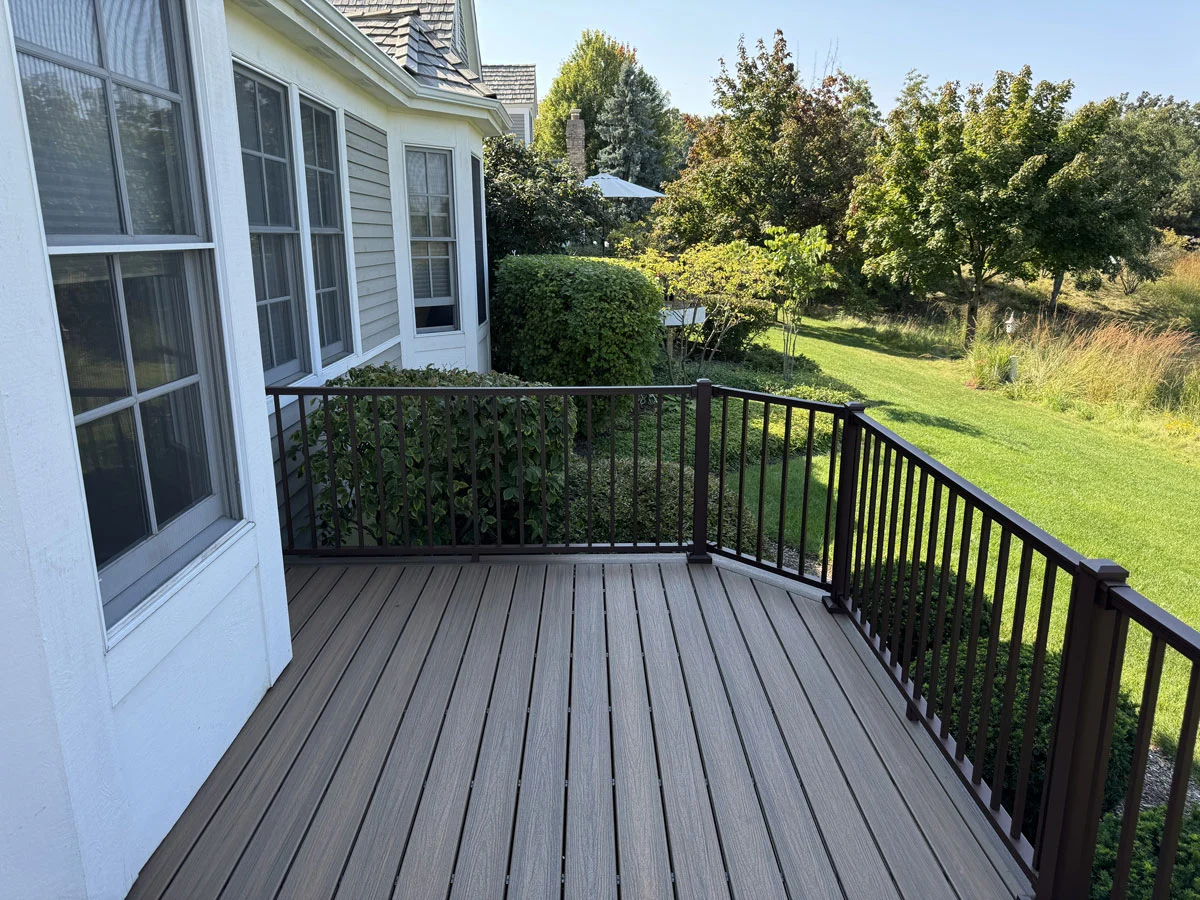 Features That Make Your Composite Deck Usable Year-Round
One of the strongest arguments for building in fall or winter is having your composite deck fully functional the moment warm weather returns. With the right design elements integrated from the beginning, your deck can provide value throughout every season. We recommend planning these features during the original build:
- Built-in fire pits and patio heaters: extend comfortable outdoor use into cool evenings in both Illinois and Georgia throughout fall and into winter.
- Pergolas, gazebos, and pavilions: provide shade and keep the deck surface cooler and drier during Georgia’s summer storms and Illinois’s variable spring conditions.
- Integrated deck lighting: low-voltage post cap lights, stair riser lights, and under-railing LED strips make evening use safe and welcoming year-round.
- Underdeck drainage and ceiling systems: convert the space beneath an elevated composite deck into a functional covered outdoor room or dry storage area.
- Privacy screens and skirting: powder-coated aluminum privacy screens or WPC fencing that blends seamlessly with your floor and railing colors.
- Hot tub platforms: structurally integrated from the start, these require specific framing specifications that cannot easily be retrofitted later.
Royal Deck’s outdoor living space builders bring over 10 years of experience installing these custom features across Illinois and Georgia. Structural additions like hot tub platforms require specific framing, which is why discussing every feature with your estimator from the very first consultation is always the right approach.
Making the Right Call on Timing
Fall and winter consistently offer the best combination of availability and fast permit approvals. Modern composite decking has made it possible to build successfully in almost any season. Whether you are working around Illinois’s seasonal ground conditions or taking advantage of Georgia’s mild winters that stretch well into December, the off-season window is both practical and financially sound.
If you are ready to move forward, Royal Deck’s Illinois and Georgia teams are here to help. Schedule your free in-home composite deck consultation today and have your new deck ready and waiting the moment warm weather returns.
Sources
- Trex & TimberTech Installation Guidelines – Cold-weather composite board installation requirements, expansion spacing at low temperatures & board acclimation specifications [trex.com / timbertech.com]
- IRC R507 – Exterior Deck Construction Standards – Concrete pier and footing depth requirements, frost line specifications & foundation standards for residential deck construction [codes.iccsafe.org]
- AWC DCA 6 – Prescriptive Residential Wood Deck Construction – Framing specifications and foundation requirements applicable to composite deck substructures [awc.org]
- Illinois Department of Commerce – Residential Building Permits – Municipal permit processing requirements and frost line depth standards for Illinois residential construction [ilga.gov]
- Georgia Department of Community Affairs – State Minimum Standard Codes – Residential deck permit requirements and construction standards for Georgia climate conditions [dca.ga.gov]
Frequently Asked Questions
 What is the best time of year to build a deck in Illinois or Georgia?
Fall and winter consistently offer a great combination of availability and faster permit processing. In Georgia, the mild climate means we can build comfortably through December. In Illinois, we often use helical piles or ensure concrete foundations are set before the deep freeze in November so construction can continue.
Can composite decking be installed in cold weather?Yes. Unlike wood decking, composite boards from Trex, TimberTech, and Deckorators do not require special coatings that are limited by the temperature. Royal Deck installers are experts at adjusting the spacing for the weather, and the results are identical to a summer build.
How long does it take to build a deck from start to finish?Standard composite decks are typically completed in 5 to 7 days of construction, weather permitting. Additional customizations such as pergolas, underdeck systems, or multi-level designs may add two to five days to the build. The full project timeline, including estimation, design, permitting, and site preparation, runs approximately eight to twelve weeks depending on the season and municipality.
What is the cheapest time to build a composite deck?Fall and winter are the most affordable times to build. Winter builds feature lower cost labor, and letting Royal Deck choose your start date makes you eligible for a discount. This means we insert you into the schedule when it is most convenient for us, and then the process resumes as usual. Most projects start at $12,000, with a standard build often around $22,000.

As a leading deck builder in Illinois and Georgia, Royal Deck specializes in creating stunning new decks, resurfacing existing ones, and designing porches that beautifully enhance homes.